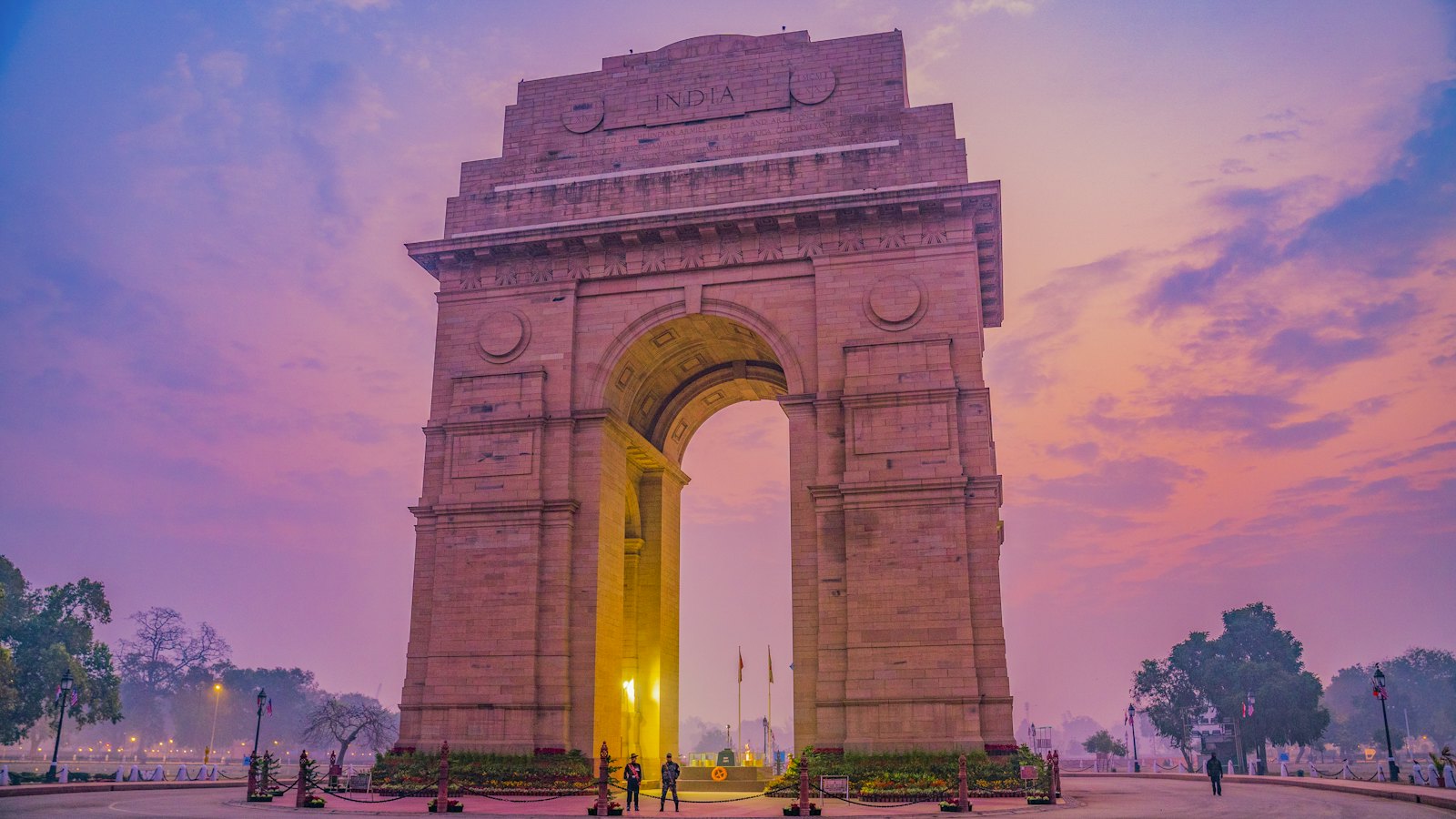
India is one of the biggest destinations for students returning home and a significant one for NGO and church service teams. It is also a large, varied country, so the right routing and the right month depend on where you are going. This guide covers the essentials.
India at a glance
- Main international gateways: Indira Gandhi International (DEL), Delhi; Chhatrapati Shivaji Maharaj International (BOM), Mumbai; Kempegowda International (BLR), Bengaluru. Hyderabad (HYD), Chennai (MAA) and Kochi (COK) are also major.
- Busiest fare periods: mid-May to August, and December to early January, plus a surge in October and November around Diwali.
- Most comfortable weather: October to March across most of the plains and south.
- Monsoon: about June to September.
When to fly
Student demand peaks from mid-May through August, when summer vacation begins, and again from December to early January for the winter break. October and November bring another surge as families travel for Diwali and the festive season, which affects both international and domestic flights.
For weather, October to March is generally the most pleasant time across much of India. The monsoon, from about June to September, brings heavy rain, and states such as Kerala, Assam and Bihar can be disrupted. Teams running rural projects should plan around it.
If you’re a student, book as early as your term dates allow for the May to August and December windows. If you’re leading a team, October to March usually gives the best working conditions, but also overlaps with the festive surge, so confirm dates early.
Routings and baggage
Air India flies non-stop to Delhi from New York (JFK), Newark (EWR), Chicago (ORD) and San Francisco (SFO), to Mumbai from New York (JFK), Newark (EWR) and San Francisco (SFO), and from San Francisco to Bengaluru (BLR). American Airlines flies New York to Delhi, and United Airlines flies Newark to Delhi. Schedules and frequencies change, so we confirm the current options when we quote. Gulf carriers such as Qatar Airways (via Doha), Emirates (via Dubai) and Etihad (via Abu Dhabi) connect onward to many secondary cities such as Bengaluru, Hyderabad, Chennai and Kochi. For East Coast departures, European carriers such as Lufthansa and British Airways are another option. Schedules change, so we confirm current options.
A baggage trap to avoid: an international ticket often includes two checked bags of about 23 kg each, but domestic economy allowances within India are commonly lower, around 15 kg. If your trip includes a domestic connection, either on the same ticket or separately, check the rules and budget for excess-baggage fees on that segment.
Airports and getting around
Plan your arrival at one of the main gateways: Delhi (DEL), Mumbai (BOM) or Bengaluru (BLR). From the terminal, use an official pre-paid taxi counter in the arrivals hall, or an app such as Uber or Ola from the designated pickup areas. Your host may also arrange a driver.
For longer journeys, Indian Railways is extensive and good value. Upper-class seats (1AC, 2AC and 3AC) can sell out weeks ahead, so book early through the IRCTC portal, and ask about the Foreign Tourist Quota if it applies to you.
How to pay less on flights to India
- Avoid the three surges. Fares rise from mid-May to August, from December to early January, and in October and November around Diwali. January to March, outside the holidays, is generally the most comfortable time to travel.
- Compare non-stop and one-stop. Air India flies non-stops to Delhi from New York, Newark, Chicago and San Francisco, to Mumbai from New York, Newark and San Francisco, and to Bengaluru from San Francisco. American flies New York to Delhi, and United flies Newark to Delhi. Compare departure cities, since the fare can differ a lot between them, and Gulf carriers connect onward to Bengaluru, Hyderabad, Chennai and Kochi.
- Avoid the baggage trap. Domestic economy allowances in India are commonly lower, around 15 kg, than the two bags on many international tickets. A cheap onward flight can cost more once excess bags are added.
- Plan around the monsoon. From about June to September heavy rain can disrupt states such as Kerala, Assam and Bihar, which matters for rural projects.
For the general method, see how we find cheap flights. Send us your dates and a specialist compares the options for this route.
Before you go
Check passport validity and India’s current visa or e-visa rules through the official government portal for every traveler. Requirements depend on nationality and purpose of travel, so mission and volunteer travel needs particular care: confirm the right visa category before you book, and we do not quote fees here.
Yellow fever: India requires a certificate only if you arrive from, or have passed through, a country with yellow fever risk, which can matter for travelers returning from Africa or South America.
Malaria: the CDC lists malaria risk in many parts of India, varying by region and season, and lower in some big cities. Your clinic will advise on prevention for your exact itinerary.
Other advice: hepatitis A and typhoid vaccines are widely recommended, and rabies is worth discussing if you will be near animals or in rural areas. Food and water precautions matter. See the CDC page for India for current notices. Book a travel clinic visit four to six weeks before departure, because some vaccine courses take time.
Health notes below reflect the CDC’s Travelers’ Health pages as we last checked them (October 2026). Notices and outbreak levels change quickly, so read the current page before you book vaccines.
Last reviewed: October 27, 2026. Airline routes, schedules, baggage rules and entry requirements change, so your specialist confirms the current options when they quote your trip.
Planning a trip? See our India flights page, our mission travel and student travel pages, or send us your dates for a quote.
Questions, answered.
When are the busiest times to fly to India?
Mid-May to August, when students return for summer, and December to early January. October and November also surge around Diwali and the festive season. October to March is generally the most comfortable time to travel, and the monsoon runs from about June to September.
Are there non-stop flights from the US to India?
Air India flies non-stop to Delhi from New York, Newark, Chicago and San Francisco, to Mumbai from New York, Newark and San Francisco, and to Bengaluru from San Francisco. American flies New York to Delhi, and United flies Newark to Delhi. Many travelers connect through Gulf or European hubs. Check current schedules when you book.
Why do baggage rules matter on domestic connections in India?
International tickets often include two checked bags of about 23 kg, but domestic economy allowances in India are commonly lower, around 15 kg. Travelers connecting to a domestic flight can face excess-baggage fees on that segment.